|
||||||||
Make Your Own Red Wine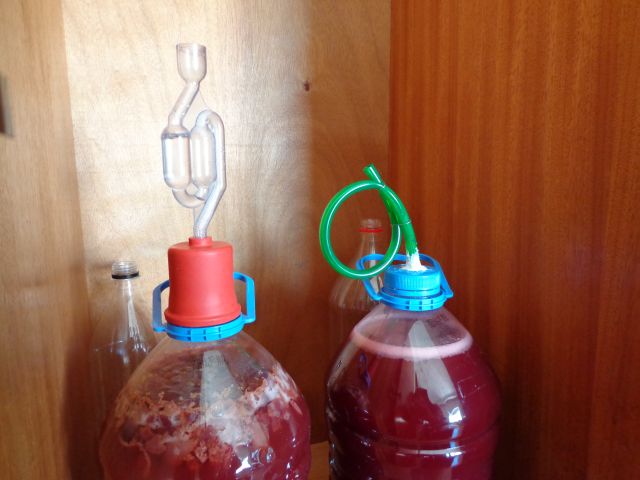
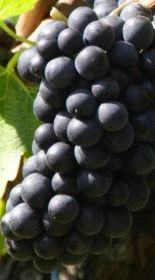
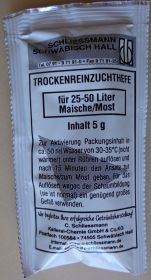
Produce delicious red wine at homeIn some countries like Saudi Arabia or Iran, it is difficult to buy alcohol because it is officially prohibited. Other countries like Turkey have such high taxes on alcohol that alcoholic drinks are extremely expensive or even unaffordable compared to other everyday foods. However, you can also save money in many countries by making your own alcohol. It is also fun and interesting. Please note: Home production of alcohol is legal in the United States under certain conditions (such as age restrictions and quantity limits). Always check your local laws before producing alcohol. IngredientsFor this, you only need a few things: 4 liters of grape juice from the supermarket, 500–1000 g of blue grapes, 13 tablespoons of sugar, and 1/2 teaspoon of baker’s yeast or professional wine yeast.
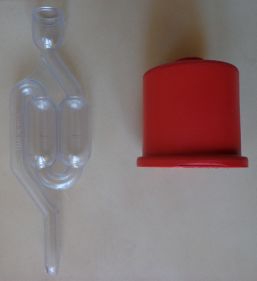
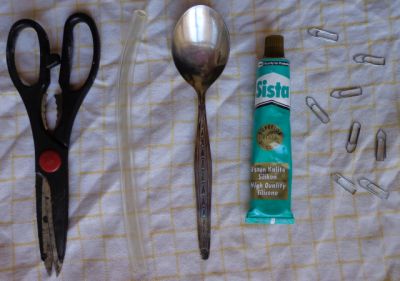
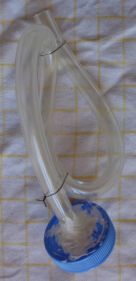
MaterialAs a first step, you need a sealable 5-liter container. For example, you can use a water container from a supermarket. A sealable canister from a hardware store can also be used. If you prefer, you can buy a professional fermentation container. The container must be fitted with an airlock. You can either buy one or build your own using the container lid, aquarium tubing, silicone sealant, and paper clips (or florist wire or a sturdy string). When building your own, shape the tube as shown in the photo, secure it with wire, and seal it with silicone sealant to make it airtight.
PreparationIt is important that all materials used are as clean as possible. The fermentation vessel and all tools should be thoroughly cleaned with hot water before use to prevent unwanted microorganisms from entering the mixture and spoiling the wine. During preparation, ambient temperatures between 68 and 77 degrees Fahrenheit (20–25 °C) are ideal. At lower temperatures, fermentation slows down but still works. In very warm environments (for example, during summer without air conditioning), fermentation can still occur at around 86 °F (30 °C) or slightly higher, but the result may be of lower quality. First, add 13 tablespoons of sugar to the container. Then add two liters of grape juice and stir or shake until the sugar is completely dissolved. Now add the yeast. The yeast can be activated beforehand in warm water (around 86–95 °F / 30–35 °C) to speed up the process. Next, add more grape juice and mix again. Remove the grapes from the stems (this process is called destemming), then crush the berries to release the juice. The resulting mixture of pulp, skins, seeds, and juice is called must. Try not to crush the seeds, as they can cause a bitter taste. In practice, this is usually not a major issue if done carefully.
FermentationPlace the fermentation vessel in a location where it can remain undisturbed for several days. Once in place, seal it with the airlock and fill the airlock with water. Fermentation now begins. During this process, yeast converts sugar into alcohol and carbon dioxide (CO₂). The yeast becomes active once it is mixed with liquid. Temperatures between 72 and 77 °F (22–25 °C) are ideal. Below 68 °F (20 °C), fermentation slows down. Below about 59 °F (15 °C), yeast activity becomes very weak and other microorganisms may cause spoilage. Temperatures above 77 °F (25 °C) speed up fermentation but can negatively affect the flavor. Above about 86 °F (30 °C), yeast becomes stressed. Very high temperatures above 95 °F (35 °C) may damage or kill the yeast. Avoid direct sunlight, as strong UV light can negatively affect the wine. During fermentation, yeast produces carbon dioxide (CO₂). This gas must be able to escape. Never seal the container completely without an airlock, as pressure can build up and damage the container. If oxygen enters the mixture, acetic acid bacteria can convert alcohol into vinegar, making the wine unpleasant. Transfer
The alcohol content is typically around 9–12%, depending on sugar content and fermentation conditions. Use a hose and funnel to transfer the wine into another container without disturbing the sediment. The funnel can be lined with cloth to catch grape residues. Position the hose above the sediment and lower it carefully as the liquid level drops. The remaining liquid with sediment should not be used, unless the taste is acceptable. A coffee filter is not suitable for filtering, as it clogs quickly and the process takes too long. Secondary fermentation and agingThe wine can already be consumed, but the taste improves if it is allowed to rest for additional days or weeks. During this time, remaining sugars are further converted by yeast, and additional sediment settles at the bottom. Transferring the wine several times helps improve clarity and taste. Bottling
Plastic bottles can also be used, as they are easy to clean, lightweight, and durable. Alternatively, the wine can be filled into glass bottles and sealed with a cork using a corking tool. |
||||||||
|

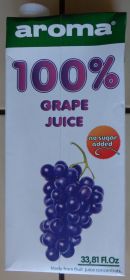

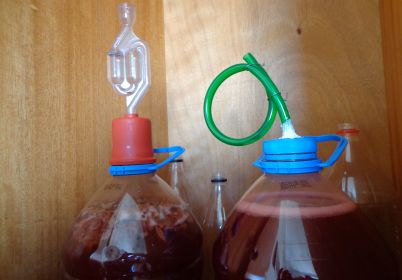 Pour the must into the container. Then add the remaining grape juice, leaving enough space at the top for foam formation. Depending on the amount of must, about one glass of juice may remain. If grapes are not available, about 4.5 liters of grape juice can be used alone, but this will result in a drink that is less rich in color and flavor.
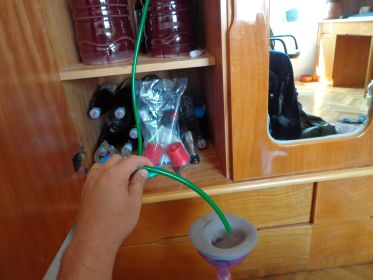 Depending on temperature, primary fermentation is complete after about 8 to 14 days. The liquid becomes clearer, and yeast settles at the bottom.
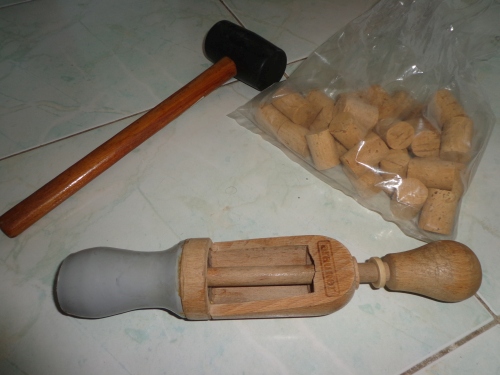 After the wine has been transferred one or two times, it can be filled into bottles. Dark bottles (green or brown) are recommended to protect the wine from light.